The spine came out short.
Everything else came out fine.
Short spine syndrome compresses the vertebral column into a fraction of its normal length. It shows up in dogs, in raccoons, in cats — and almost nowhere else. This project documents every animal we can find, corrects what people get wrong about them, and funds real help for the families caring for them.
What short spine syndrome actually is
A rare congenital condition — and the reason these animals look the way they do. Here is what's known, without the medical fog.
The short version
Short spine syndrome is a severe congenital shortening of the vertebral column. The vertebrae stay partly in their cartilage state instead of hardening into bone, and compress into one another — which gives the spine its dramatically shortened profile and the animal its unmistakable shape.
It is thought to be linked to inbreeding within small gene pools, which is part of why it stays so extraordinarily rare. Most documented cases are in dogs, but it has also been recorded in wild raccoons and in cats.
How to spot it
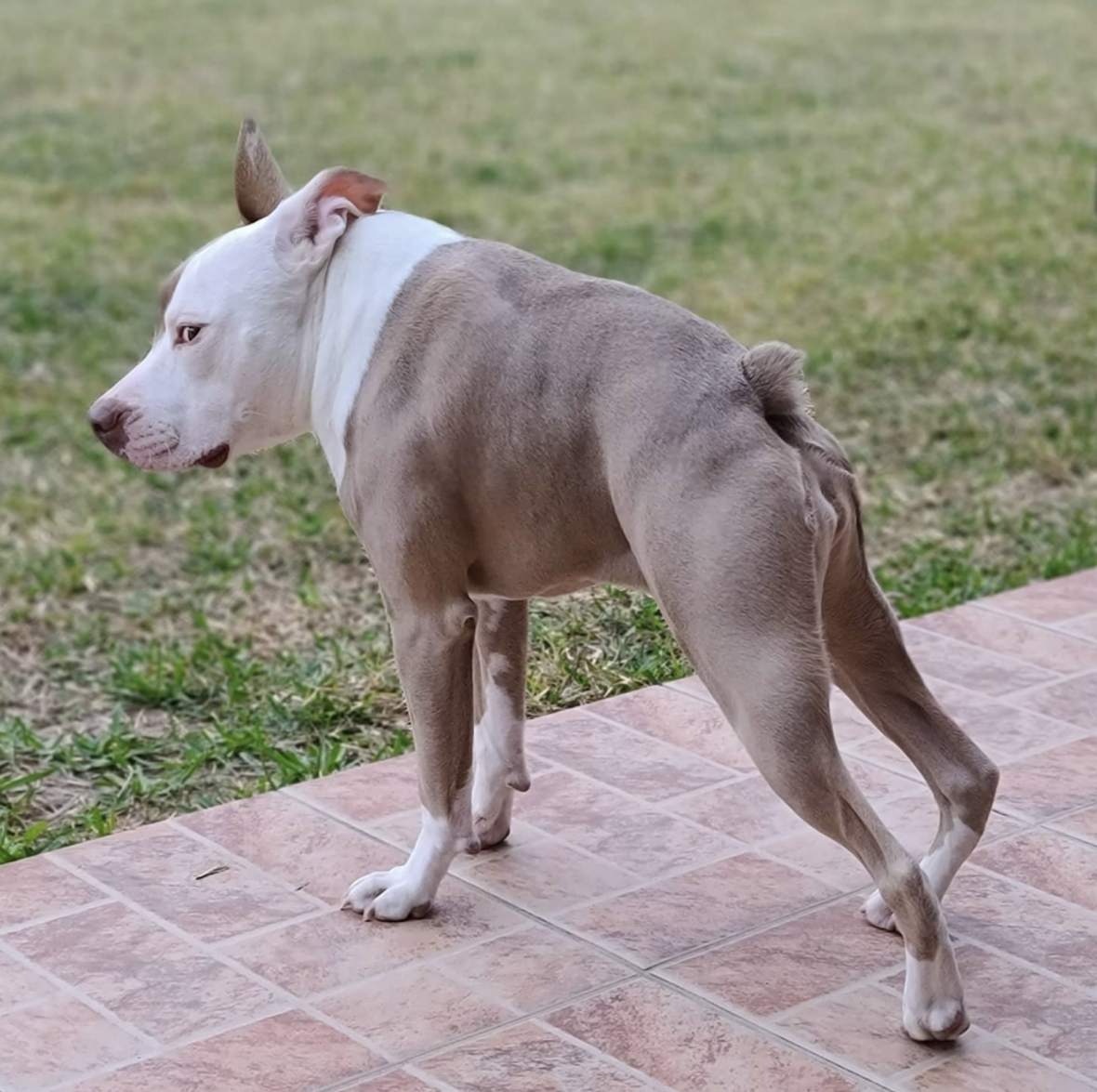
- A A sloped back with an unmistakable silhouette
- B A barrel-shaped chest
- C A short, wide neck — often appearing absent
- D An elongated jaw structure
- E A compact, sturdy stature
- F A bobbed or shortened tail
- G Legs of entirely normal length
The part that surprises people
They are not fragile, and they are not suffering. They adapt remarkably well, they walk and play and climb and get into things they shouldn't, they bond deeply, and they live long lives beside the people who love them.
Four jobs, one goal
A world where every short spine animal is recognised, understood, and actually taken care of.
They are not suffering
The most common thing people assume about these animals is that they're in pain. They aren't. We publish accurate, source-checked information so that curiosity replaces pity, and understanding replaces misinformation.
Every case we can find
Each short spine animal on earth is worth a record. We track their daily lives, their rescues, and their stories — across every species the condition turns up in, not just dogs.
Families who think they're alone
With so few known cases, owners are scattered across continents and often have never met another one. We put them in touch with each other, with veterinary knowledge, and with people who want to help.
Care, not just awareness
Awareness is the first step; care is the destination. A share of the project's creator fee revenue is reserved for these families — reviewed applications receive direct support, from veterinary costs to adaptive equipment.
Watch them move
Two short films that say more than any paragraph here can.
Life with short spine syndrome
A close look at how these animals move, play, and get through an ordinary day.
Meet them properly
The personalities, the families, and the amount of joy a strangely shaped animal can generate.
Every one we've found
Eight records so far, across three species. Each one is a real animal with a real family — and the reason this project exists.
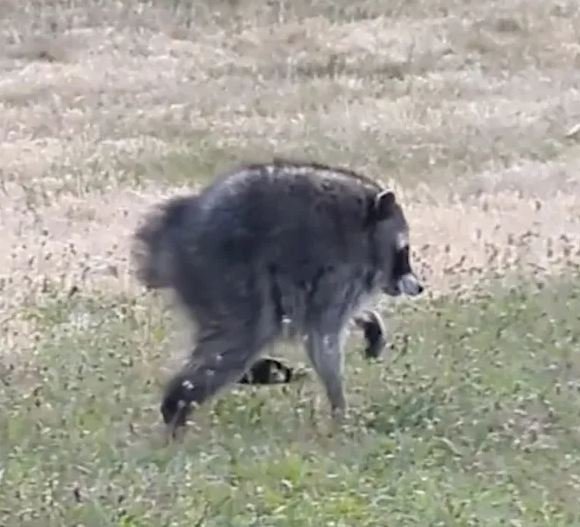 CASE 01
Raccoon
CASE 01
Raccoon
Jimothy
A wild raccoon with an unmistakable compressed back, filmed going about his business like nothing is unusual. He became the most-watched short spine animal on earth — and the reason most people have heard of the condition at all.
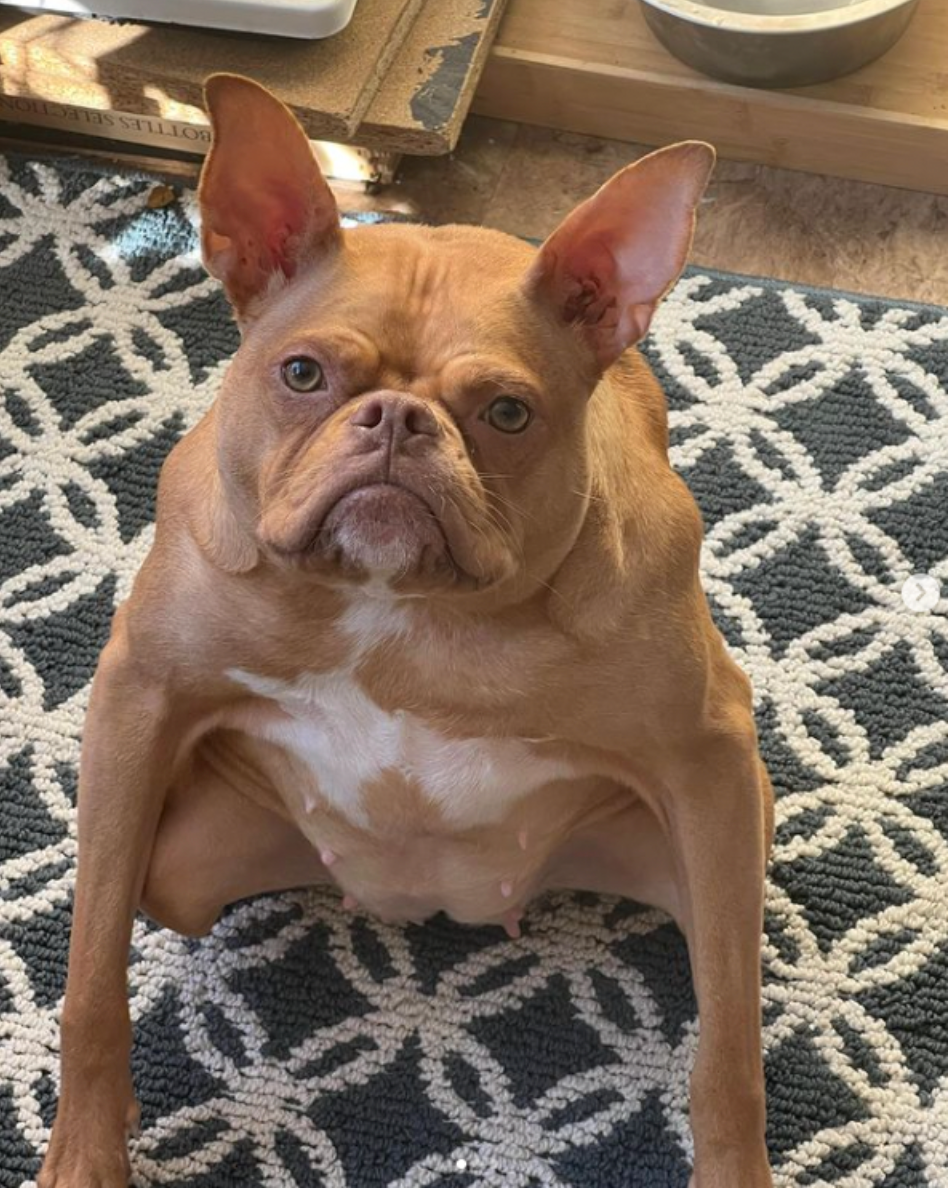 CASE 02
Dog
CASE 02
Dog
Ivy
A pit bull mix and a small internet celebrity. Ivy spends her days with her siblings Gio and Ortley, and her evenings quietly winning over everyone who finds her online.
 CASE 03
Dog
CASE 03
Dog
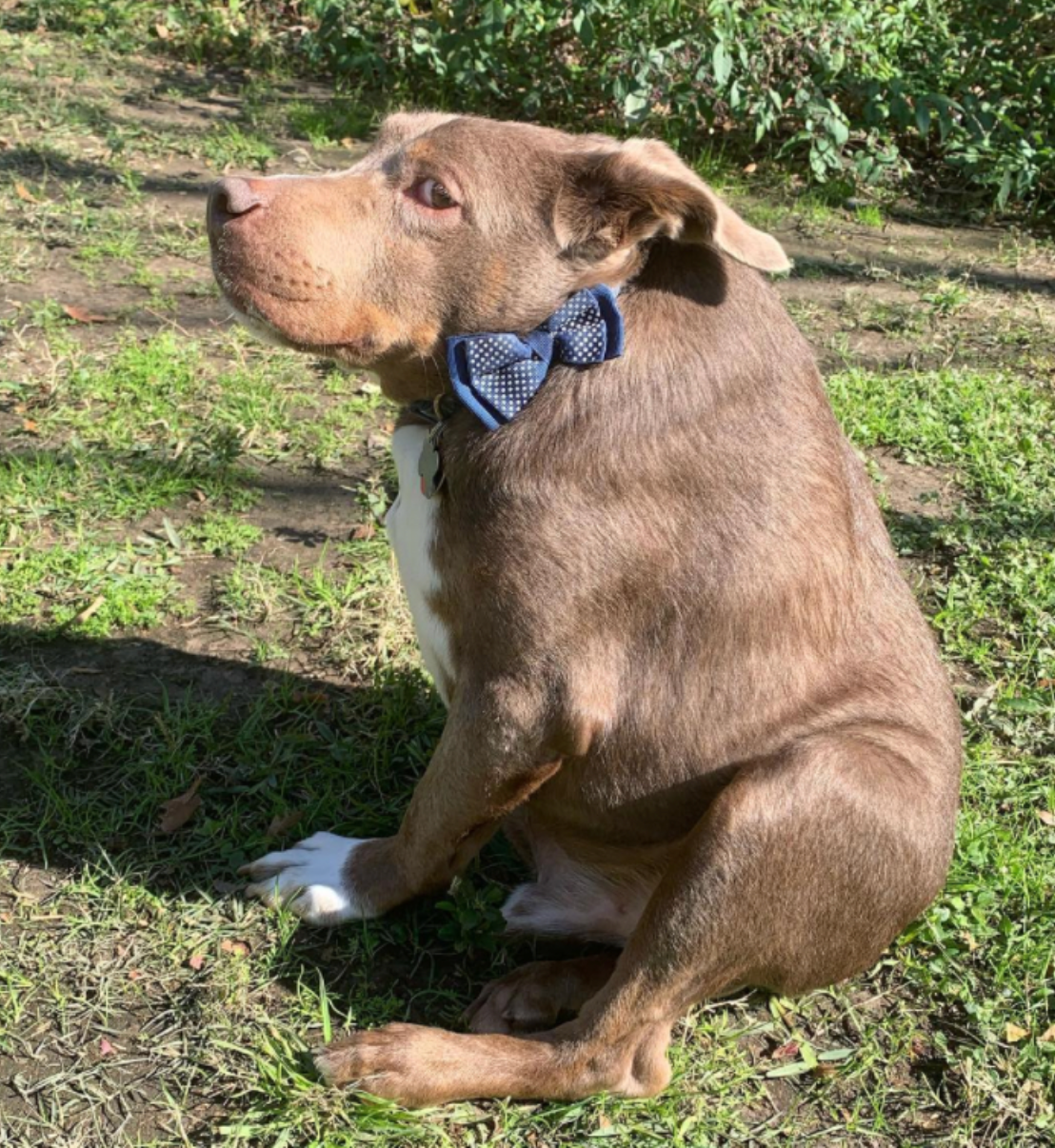
MoMo
Rescued in 2020, MoMo traded Texas for the Florida sun, where he spends most of his time playing alongside his brother, Triple.
 CASE 04
Cat
CASE 04
Cat
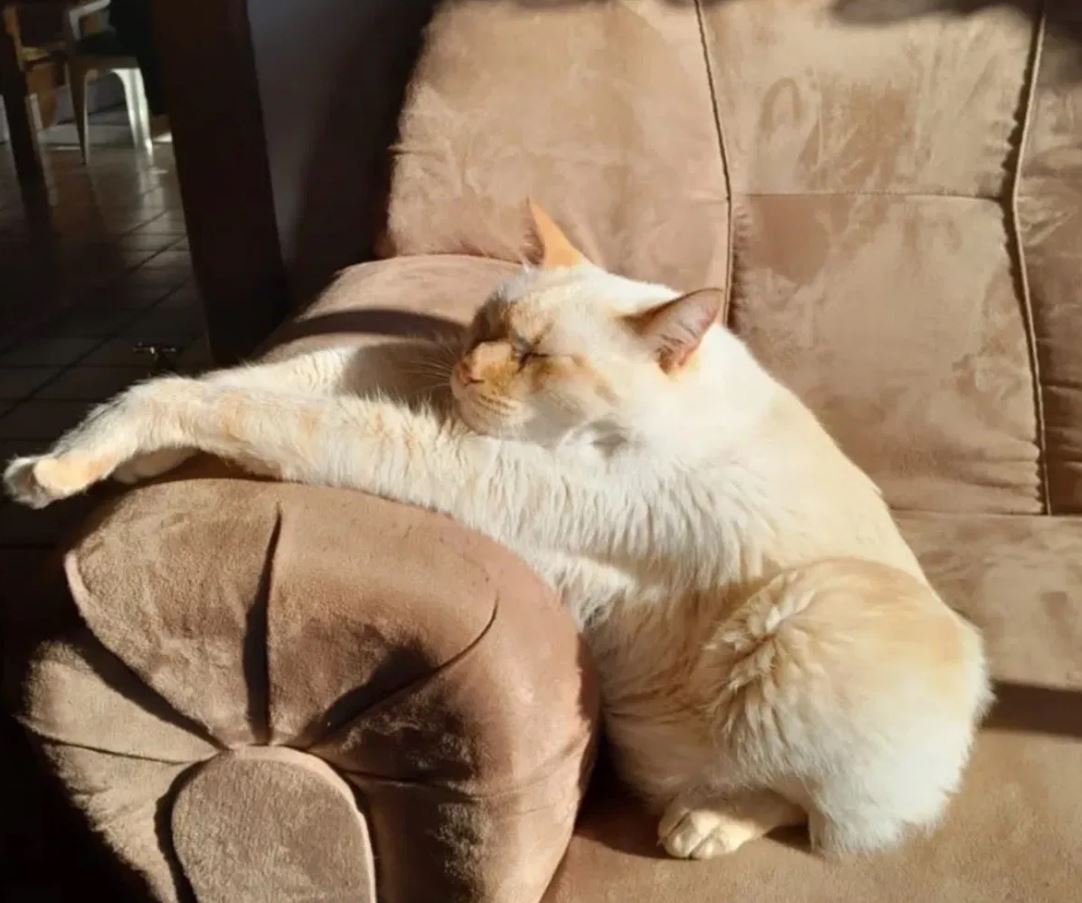
Nenem
One of the very few cats ever documented with the condition. Nenem has a compressed spine, a permanently unimpressed expression, and a claim on the sunniest corner of the sofa that nobody has successfully challenged.
CASE 05
Dog
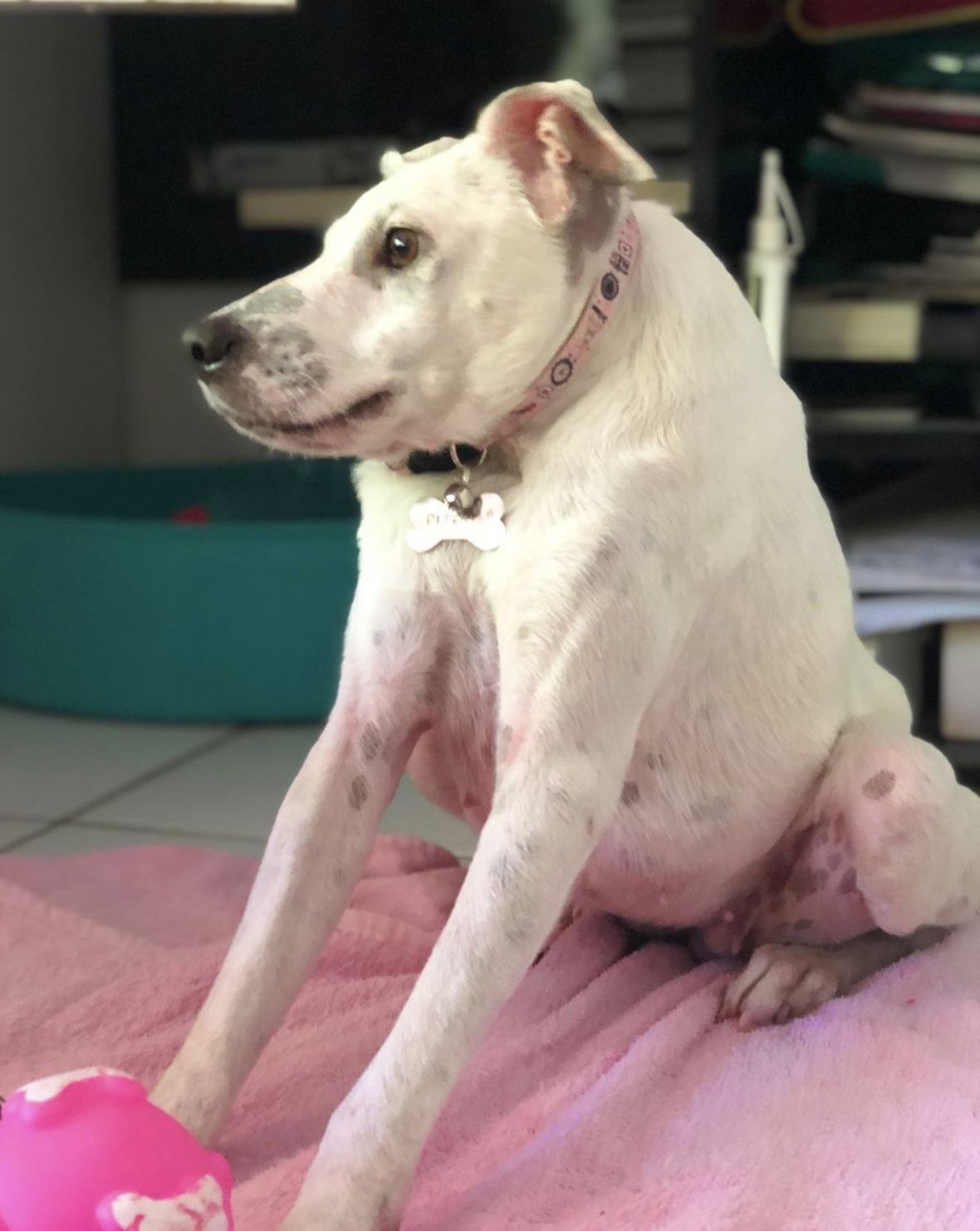
Pitchula
Named after a Brazilian soft drink that comes in a famously short bottle. Pitchula is one of the only known cases in all of Brazil.
 CASE 06
Dog
CASE 06
Dog
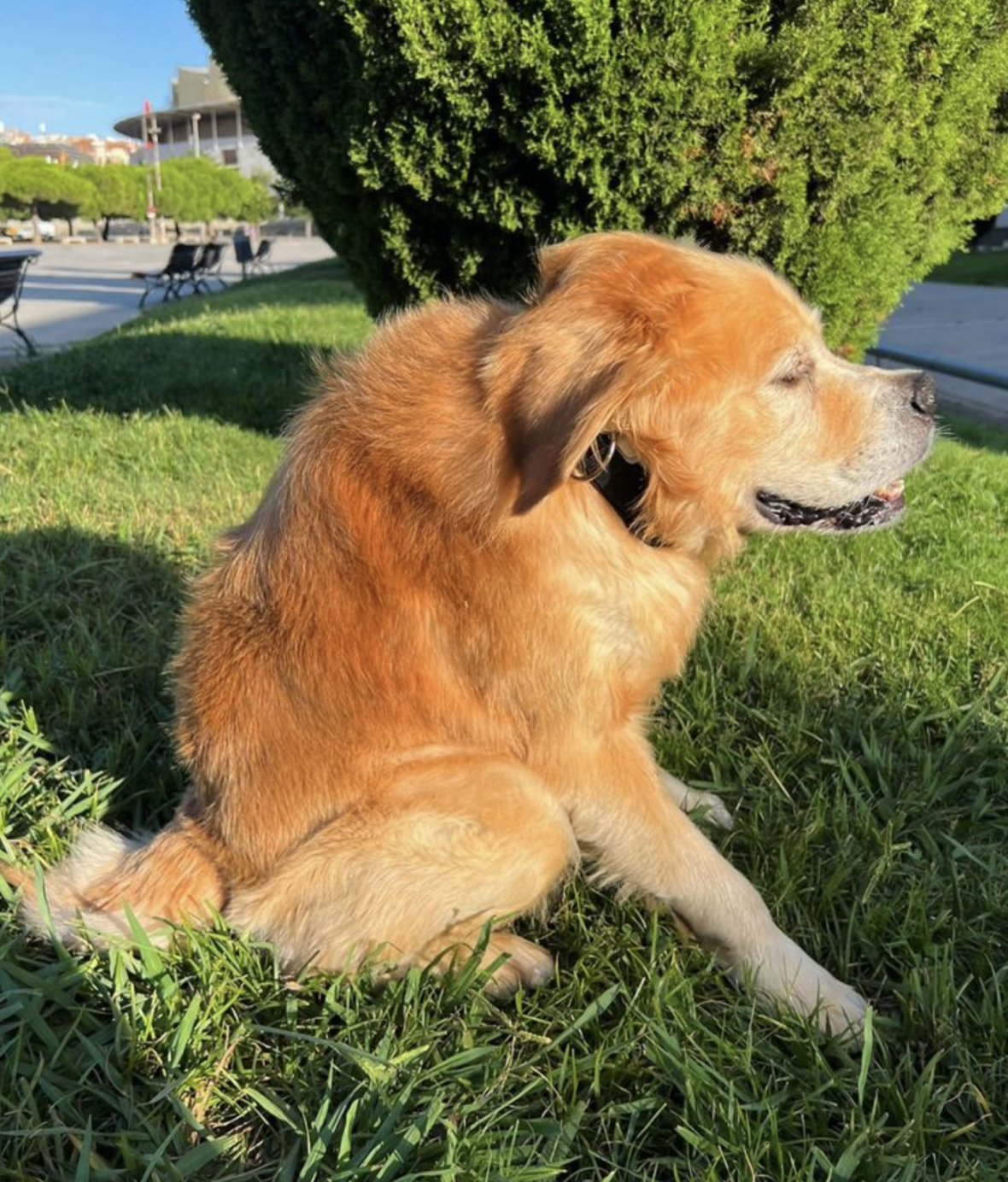
Danko
A golden retriever with a permanent smile, dividing his time between long beach walks and professional-grade cuddling.
 CASE 07
Dog
CASE 07
Dog
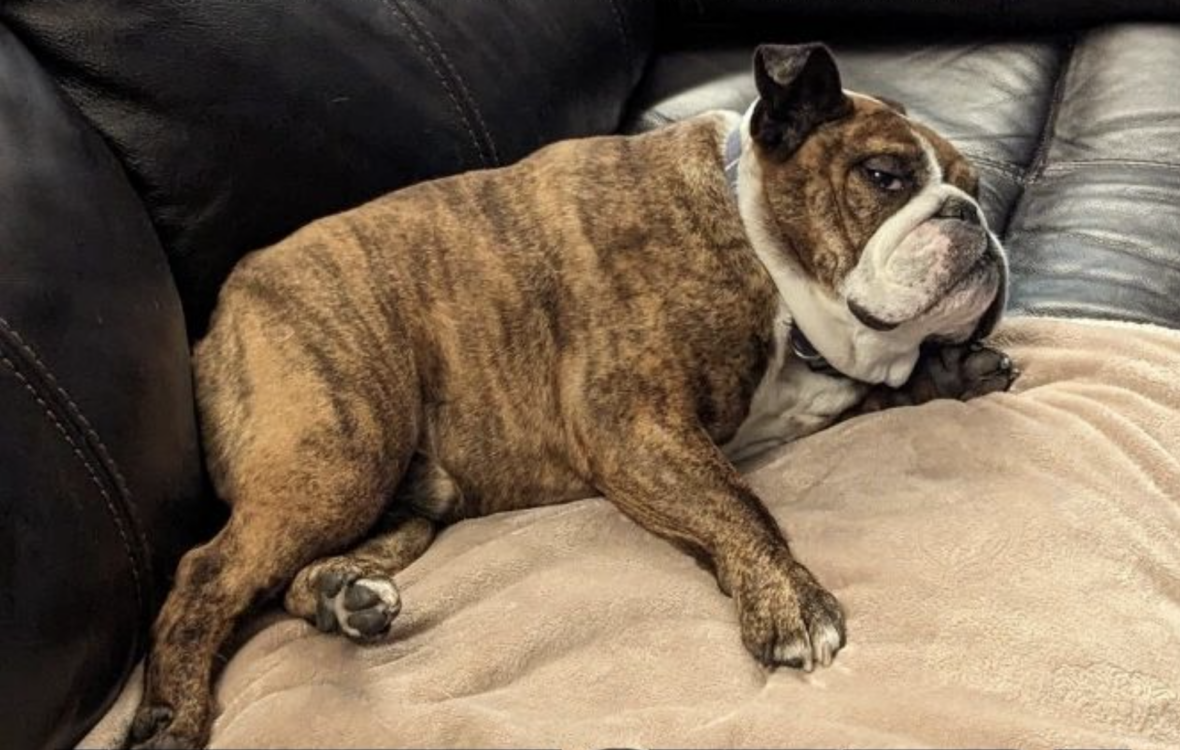
Vicky
A short spine bulldog with dwarfism, born without her hip joints. Nobody has told her about any of this, and she plays like it.
 CASE 08
Dog
CASE 08
Dog
Phoebe
A fetch-obsessed pit bull whose family documents her days to make one simple point: different is worth celebrating.
Where the money goes
Real families, real cases, real support — funded by the project itself.
How the program works
A share of $SSS creator fee revenue is set aside for short spine families. Owners apply through the form below. We review every application individually, verify each case, and reach out to arrange support — from veterinary costs to adaptive equipment.
Applications openOr just tell someone
The fastest way to help one of these animals is to make sure people know they exist. Join the X, share the records, and help a handful of the rarest animals on earth get the attention they've earned.
Join the XTell us about your animal
If your dog, cat, or any other animal has short spine syndrome, send us their details. Every application lands in our review inbox, and every single one gets a personal answer.